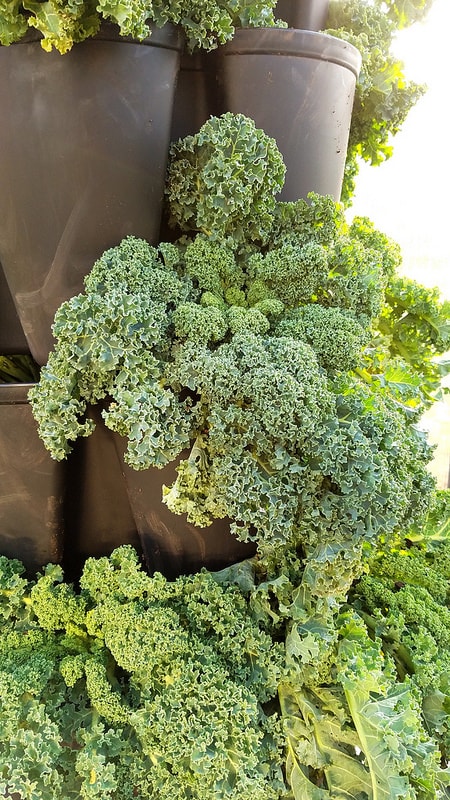
Grow Fresh Kale All Winter: Your Indoor Survival Guide
As the days shorten and the frosty grip of winter tightens, many gardeners reluctantly bid farewell to their thriving outdoor patches. But what if you didn't have to? Imagine harvesting crisp, nutrient-rich kale even when snow blankets the ground outside. It's not just a dream – with a little preparation and care, you can ensure a continuous supply of this superfood by
moving kale indoors for a rough winter. This comprehensive guide will walk you through the essential steps, from careful transplanting to ongoing care, ensuring your kitchen remains stocked with homegrown greens all season long.
Why Bring Your Kale Indoors This Winter?
Kale is renowned for its hardiness, capable of shrugging off light frosts and even improving in flavor after a cold snap. However, truly brutal winters, characterized by sustained freezing temperatures and heavy snow, can push even the toughest kale varieties to their limits. If you've observed signs of an impending harsh season – perhaps unusually early cold snaps, a flurry of snow before Halloween, or even traditional folklore like a thick-coated woolly bear caterpillar – it's a clear signal that your outdoor kale might not make it. For those in colder climates, preparing for a deep freeze by bringing plants inside isn't just a luxury; it's a survival strategy for your greens.
Beyond simply extending their lifespan, there are numerous benefits to growing kale indoors:
*
Fresh Greens, Any Time: Enjoy the satisfaction of harvesting fresh, vibrant kale for salads, smoothies, or sautés, completely unreliant on supermarket availability or unpredictable weather.
*
Nutritional Powerhouse: Kale is packed with vitamins K, A, and C, along with antioxidants and fiber. Having a constant indoor supply means consistent access to these health benefits.
*
Pesticide-Free Assurance: You control the growing environment, ensuring your kale is free from harmful chemicals and unknown contaminants.
*
Budget-Friendly: Avoid the fluctuating prices of organic produce and reduce your grocery bill throughout the colder months.
*
Space-Efficient: Even a sunny window sill or a small corner can become a productive indoor garden.
*
Cut-and-Come-Again Harvesting: Kale is incredibly forgiving. The more you harvest its outer leaves, the more it tends to produce, giving you sustained yields from a single plant.
Don't let a "done for the year" garden signal the end of your fresh harvests. Proactively deciding to
Rough Winter Ahead? Move Your Kale Indoors Now! can provide months of fresh, homegrown goodness.
The Art of Transplanting: A Gentle Transition
The key to successful indoor kale cultivation often lies in the initial transition from outdoor garden to indoor sanctuary. This process requires careful handling to minimize shock and ensure your plant acclimates well.
1.
Pre-Transplant Preparation: Before you even touch a shovel, give your kale a thorough watering about 12-24 hours prior to transplanting. This hydrates the roots and helps the soil cling to them, reducing root disturbance. Inspect your plants for any signs of pests or disease. If you find any, treat them outdoors before bringing the plant inside to prevent spreading issues to your indoor environment. Consider pruning off any older, yellowing, or damaged lower leaves; this redirects the plant's energy towards establishing new roots and healthy growth.
2.
Careful Excavation: Select the kale plants you wish to save. Using a sharp, clean trowel or shovel, begin digging a wide circle around the base of the plant, several inches away from the main stem. The goal is to extract as much of the root ball as possible without ripping or breaking roots. Work slowly, gently loosening the soil around and beneath the root system. If you encounter resistance, carefully trace the root with your hand to understand its path before continuing to dig it out. The more intact the root system, the less stress the plant will experience.
3.
Choosing the Right Container: Kale has a moderately deep root system, so shallow pots are not suitable. Opt for containers that are at least 8-10 inches deep and wide, with adequate drainage holes at the bottom. The size of the pot should accommodate the plant's current root ball with room for future growth. Terracotta pots can be good as they allow for air circulation, but plastic pots retain moisture better, which might be an advantage in dry indoor environments.
4.
Replanting and Watering: Once your kale plant is carefully dug up, immediately transfer it to its new pot. Fill the pot with a high-quality, well-draining potting mix. Avoid garden soil indoors, as it can compact, harbor pests, and lack proper drainage. Center the plant in the pot, ensuring the roots are completely covered and the plant is buried to the same depth it was in the garden. Gently firm the soil around the base to remove air pockets. Water thoroughly until water drains from the bottom of the pot. This helps settle the soil around the roots.
Creating the Ideal Indoor Environment for Winter Kale
Once transplanted, your kale needs specific conditions to thrive indoors through the winter.
*
Light is Key: Kale requires ample light, ideally 6-8 hours of direct sunlight per day. A south-facing window or patio door is usually the best spot. If natural light is limited, consider supplementing with artificial grow lights. Full-spectrum LED grow lights are energy-efficient and highly effective. Position them a few inches above the plant and run them for 12-14 hours daily. Lack of sufficient light can lead to leggy, less productive plants.
*
Watering Wisely: Indoor plants typically require less frequent watering than their outdoor counterparts, but consistency is crucial. Check the soil moisture every few days by sticking your finger about an inch or two into the soil. If it feels dry, it's time to water. Water thoroughly until it drains from the bottom, then empty any excess water from the saucer to prevent root rot. Avoid overwatering, which is a common killer of indoor plants.
*
Temperature and Humidity: Kale is a cool-season crop and prefers cooler indoor temperatures, ideally between 50-70°F (10-21°C). This is often easy to achieve in most homes during winter. Indoor heating can significantly lower humidity levels, which can stress plants. Consider misting your kale leaves occasionally or placing the pots on pebble trays filled with water to increase localized humidity.
*
Feeding for Growth: Your potting mix will initially provide nutrients, but they will deplete over time. After about 4-6 weeks, begin feeding your kale with a balanced, organic liquid fertilizer diluted to half strength, following the product's instructions. Fertilize every 2-4 weeks during active growth.
*
Pest Patrol: Bringing outdoor plants indoors always carries a risk of introducing pests. Regularly inspect your kale plants for common indoor culprits like aphids, spider mites, or whiteflies, especially on the undersides of leaves. Address any infestations immediately with organic solutions like neem oil spray or insecticidal soap. A strong spray of water can also dislodge many pests.
Harvesting and Ongoing Care for Continuous Freshness
The beauty of indoor kale is its ability to provide continuous harvests. For practical tips on how to maximize your yields and keep your plants healthy, read our guide on
Keep Kale Harvests Coming: Winter Indoor Growing Secrets.
When harvesting, use clean scissors or a sharp knife to snip off the outer, larger leaves. Always leave the central growing point and at least 3-4 smaller inner leaves intact. This encourages the plant to produce new growth from the center, ensuring a steady supply. Regular harvesting also stimulates the plant and prevents it from bolting (going to seed), which is less common indoors but still possible if conditions aren't ideal. Continue to rotate your plant periodically to ensure even light exposure on all sides, promoting symmetrical growth.
With thoughtful transplanting and attentive care,
moving kale indoors for a rough winter becomes a rewarding endeavor. You'll not only save your beloved plants from the elements but also gain access to vibrant, homegrown nutrition that will brighten even the dreariest winter days. Enjoy the simple pleasure of fresh, crisp kale, straight from your indoor garden, all winter long.